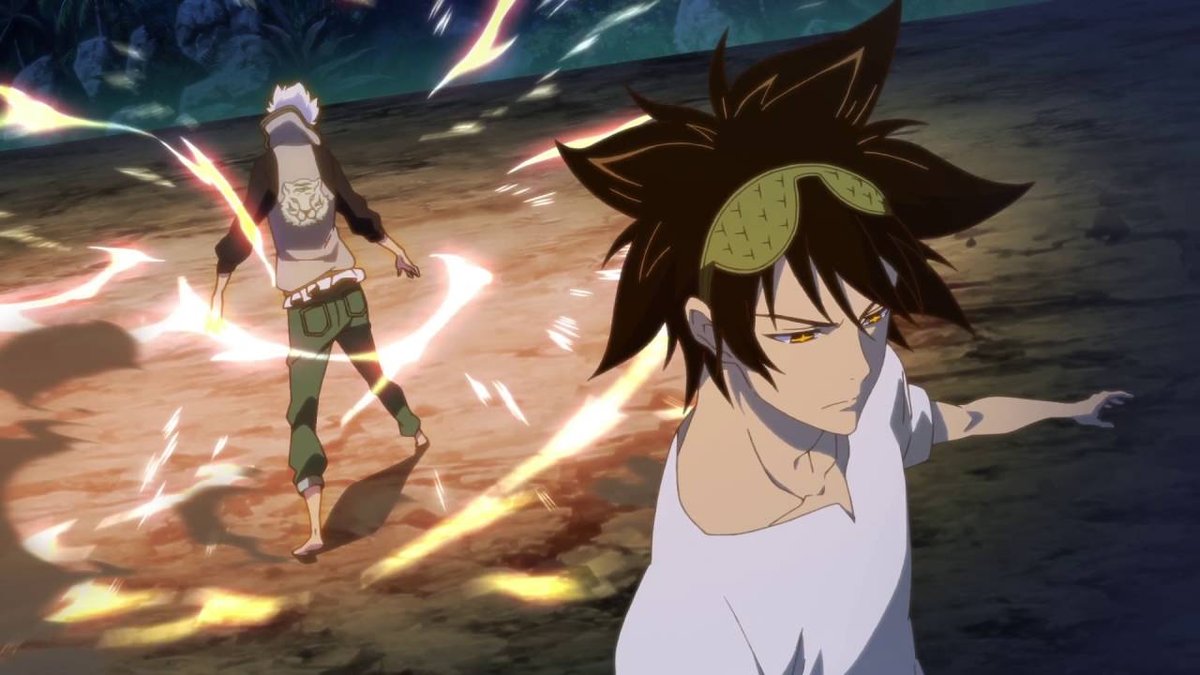
The buzz around "The God of High School" is undeniable. From its explosive martial arts action to its intricate blend of mythology, it grabbed attention in both webtoon and anime forms. But as anticipation for a follow-up season simmers, a crucial question arises: What would "The God of High School Webtoon vs. Anime Season 2 Differences" even look like, especially given the first season's unique approach to adaptation?
Before we dive deep into potential divergences, let's address the elephant in the room: as of now, an official announcement for "The God of High School" Season 2 remains elusive. Yet, this doesn't stop us from exploring the rich tapestry of the original webtoon and speculating on how a future anime season would inevitably diverge, building on the patterns set by the first.
At a Glance: What to Know About a Hypothetical Season 2
- No Official Season 2 Yet: Despite fan demand, Studio MAPPA (or any other studio) has not confirmed a second season.
- Season 1 Set the Precedent: The first season condensed over 100 webtoon chapters into just 13 episodes, prioritizing action over intricate plot and character depth.
- Vast Unadapted Material: The webtoon boasts hundreds of chapters beyond where Season 1 ended, teeming with epic battles, profound character arcs, and extensive world-building.
- Expect Significant Condensation: If a Season 2 ever materializes, it's highly probable it would continue the trend of streamlining the source material, leading to noticeable differences for webtoon readers.
- Focus Shift: The webtoon transitions from a pure tournament arc to a grander conflict involving gods, mythical beings, and global stakes. An anime would need to navigate this shift carefully.
The Looming Question: Where's Our Season 2?
"The God of High School" anime, brought to life by Studio MAPPA, burst onto the scene with a fresh perspective on battle tournament tropes, infused with vibrant Korean elements. It introduced us to Jin Mori, the spirited martial arts prodigy, who, alongside his newfound friends Han Daewi and Yu Mira, dives headfirst into the titular tournament. Their journey quickly uncovers a conspiracy far larger than any wish-granting prize. MAPPA's signature animation style perfectly captured the high-octane action, making Season 1 a visually stunning ride.
However, despite this initial success and a passionate fanbase, the silence surrounding a second season has been palpable. The original manhwa, penned by the visionary Park Yongje, is a complete saga, spanning an impressive 573 chapters. Season 1 of the anime only scratched the surface, covering roughly the first 112 chapters. This leaves an enormous wealth of source material — hundreds of chapters — ripe for adaptation.
Speculation often points to Studio MAPPA's increasingly heavy workload, juggling major projects like "Jujutsu Kaisen," "Attack on Titan," and "Solo Leveling," as a potential factor. While the demand for The God of High School Season 2 remains strong, the logistical challenges are considerable. If a second season were to be greenlit, understanding Season 1's adaptation choices is key to anticipating future differences.
Season 1's Blueprint: A Glimpse into Potential Season 2 Differences
To truly grasp what a hypothetical Season 2 might change, we first need to look at how Season 1 handled its source material. The anime’s initial run essentially served as a high-octane highlight reel, condensing over 100 webtoon chapters into a mere 13 episodes. This wasn't just a slight trim; it was a fundamental re-sculpting of the narrative.
Think of it this way: the webtoon is a meticulously crafted novel, allowing you to savor every chapter, every character beat, every intricate subplot. The Season 1 anime, by contrast, was a blockbuster movie trailer – thrilling, visually spectacular, and perfectly designed to hook you, but necessarily omitting many details that enrich the full story.
Here’s a breakdown of the key adaptation choices made in Season 1:
- Pacing and Condensation: The most significant difference was the breakneck speed. Subplots were streamlined, character motivations were often implied rather than explicitly explored, and many quieter, character-building moments were cut entirely. This meant a lot of setup for later arcs in the webtoon was either rushed or absent.
- Character Development: While Mori, Daewi, and Mira remained central, their individual journeys and backstories were significantly compressed. For instance, Mira's family background and Daewi's nuanced struggle with his friend's illness had far more emotional depth and screen time in the webtoon, impacting their motivations more profoundly. Important side characters, some of whom become crucial later, also received less introduction.
- Plot Streamlining: The political intrigue, the specific goals of the shadowy organization Nox, and the deeper lore surrounding the tournament’s origins were simplified to keep the action front and center. While this made for a fast-paced anime, it arguably sacrificed some of the world-building that gives the webtoon its narrative heft.
- Focus on Action: MAPPA undeniably delivered stunning fight choreography and visual effects. The anime excelled at translating the kinetic energy of Park Yongje's art into fluid, dynamic sequences. However, this often came at the cost of dialogue and internal monologues that provided crucial context in the webtoon.
These choices weren't inherently "bad"; they simply reflected a different storytelling medium with different constraints. But they set a clear precedent: if a Season 2 were to materialize, it would likely continue this pattern, especially given the even grander and more complex arcs that follow the initial tournament.
Unpacking the Webtoon: What a Hypothetical Season 2 Would Tackle (and Potentially Omit)
Beyond the initial tournament, "The God of High School" webtoon explodes into an epic saga that spans dimensions, delves into ancient mythologies, and pits humanity against literal gods. A hypothetical Season 2 would step out of the familiar high school setting and into a global, even cosmic, conflict. This shift in scale presents the biggest challenge for adaptation.
Here's a glimpse into the major thematic and narrative elements a Season 2 would need to grapple with:
The Divine Realm & The Six
Post-tournament, the narrative pivots to the true powers at play: the "Six," humanity's strongest individuals, and the encroaching influence of the gods from the Heavenly Realm. The fight shifts from a mere martial arts competition to a war for the future of Earth. The anime would introduce new, incredibly powerful characters and factions, each with their own complex motivations and loyalties. The webtoon spends considerable time establishing these power dynamics and the history behind them, something an anime would have to compress.
Character Deep Dives: Evolution and Revelation
The webtoon meticulously develops its core trio and supporting cast long after the tournament concludes:
- Jin Mori's True Identity: While Season 1 briefly hinted at Mori's connection to the Monkey King, the webtoon fully unspools this revelation. His journey involves reclaiming his past, understanding his immense powers, and grappling with the responsibilities that come with being a mythical figure. This isn't just a power-up; it's an existential crisis and a coming-of-age story rolled into one.
- Han Daewi's Path: After the events of the tournament, Daewi's character undergoes significant evolution. His "Eyes of the Sage" power becomes crucial, and his moral compass is tested as he takes on greater responsibilities and confronts powerful foes. The webtoon dedicates arcs to his personal struggles and growth that are vital for his later roles.
- Yu Mira's Evolution: Mira moves beyond being just a swordswoman, embracing a destiny tied to the Blade of Tathagata. Her journey involves self-discovery, strengthening her resolve, and mastering techniques that push her beyond human limits. Her narrative threads are deeply intertwined with ancient Korean lore.
- The Supporting Cast: Characters like Park Ilpyo, Oh Gwangjin, and even the nefarious members of Nox (like Commissioner Q) are given far more screen time and developmental arcs in the webtoon. Their backstories, motivations, and evolving relationships become critical to the overarching plot. Omissions here could weaken crucial emotional payoffs.
World-Building & Lore: The Fabric of Reality
The webtoon's strength lies in its intricate world-building, blending martial arts with a rich tapestry of Korean mythology and supernatural elements.
- Nox, the Elders, and the Heavenly Realm: The anime would need to delve much deeper into the hierarchy and goals of Nox, the manipulative Elders, and the powerful, often tyrannical, gods of the Heavenly Realm. The political machinations, ancient grudges, and prophetic visions are meticulously detailed in the webtoon.
- Korean Mythology: Park Yongje masterfully weaves in elements of Korean folklore and history, adding layers of cultural richness to the story. These details are often presented through flashbacks, dialogues, and historical context that an action-oriented anime might struggle to incorporate without slowing its pace.
- The Philosophy of Borrowed Power: The concept of "Borrowed Power" (charyeok) and its origins becomes a central theme, exploring the limits and dangers of wielding divine abilities. The webtoon provides extensive explanations and philosophical debates that would likely be condensed in an anime.
Pacing: The Eternal Struggle
The webtoon's chapter-by-chapter release allows for a natural, expansive pace, building tension, exploring consequences, and letting character relationships simmer. An anime, constrained by episode counts (typically 12-24 episodes), would face immense pressure to accelerate these complex developments. This means:
- Compressed Arcs: Major story arcs, each spanning dozens of webtoon chapters, would likely be condensed into a handful of episodes.
- Dialogue Cuts: Exposition and character introspection, which provide crucial depth, would likely be trimmed.
- Visual Storytelling over Explanation: The anime would lean heavily on visual cues and action sequences to convey information, potentially leaving some nuances to be deciphered by the viewer.
Key Arcs & Moments: Where the Forks in the Road Appear
The webtoon's narrative trajectory post-Season 1 is nothing short of colossal. Each major arc introduces new challenges, expands the lore, and pushes the characters to their absolute limits. Here's a look at some of the pivotal story beats a hypothetical Season 2 would face, and why they inherently invite adaptation differences:
The Nox Arc: The War for Humanity
Immediately following the tournament, the narrative explodes into a full-scale conflict against Nox, the clandestine organization with the stated goal of eradicating the gods. This arc is massive, introducing key figures, expanding the world’s political landscape, and showing the direct repercussions of the tournament’s climax.
- Webtoon's Approach: The webtoon meticulously builds the scale of this war, showcasing multiple simultaneous battles, strategic maneuvers, and the human cost of the conflict. Characters like Park Ilpyo and his allies play significant roles, and the motivations of Nox's leaders are explored in detail.
- Potential Anime Difference: A single Season 2 would struggle to cover this arc comprehensively. It would likely have to pick and choose specific battles or focus heavily on Mori's direct involvement, potentially sidelining crucial subplots involving other characters and the wider war efforts. Many nuanced character interactions and political implications might be reduced to brief exposition.
The Journey to the Sage Realm: Mori's Quest for Answers
This arc sees Mori embarking on a personal quest to understand his past and reclaim his powers, leading him to the mythical Sage Realm. It’s a journey filled with new allies, formidable enemies, and profound revelations about his identity as the Monkey King.
- Webtoon's Approach: This is a deeply personal and extensive arc, rich with lore, flashbacks, and character interactions that flesh out Mori's history and abilities. It introduces mythical creatures, ancient guardians, and moral dilemmas that shape his understanding of his own power.
- Potential Anime Difference: Given the heavy character focus and exposition in the webtoon, an anime would likely have to accelerate Mori's journey. Side quests or encounters that deepen the lore might be cut, and the emotional impact of some discoveries could be compressed. The visual spectacle of the Sage Realm would be incredible, but the time spent there might feel fleeting compared to the webtoon.
The Ragnarok Arc: Gods vs. Humans
This is the ultimate climax of the "God of High School" saga—a full-blown war between the gods of the Heavenly Realm and humanity's champions. It's an epic conflict that redefines the power structures of the world and tests the limits of every character.
- Webtoon's Approach: Ragnarok is an incredibly long and complex arc, weaving together dozens of characters, intricate battle strategies, and planet-shattering power displays. It's the culmination of everything that came before, with countless emotional payoffs and sacrifices.
- Potential Anime Difference: If a Season 2 even reached a fraction of Ragnarok, it would be a heavily abbreviated version. To cover even the initial stages would require significant cuts. Entire battles, character confrontations, and strategic developments would likely be montage-like or omitted entirely. This arc alone could justify multiple anime seasons, making its condensation into a single season (or even part of one) the most drastic potential difference.
The sheer scope of these webtoon arcs means that any future anime season would face an even greater challenge than Season 1 in deciding what to keep, what to cut, and what to simplify.
Visual Spectacle vs. Narrative Nuance: The Ongoing Trade-Off
The fundamental difference between the "The God of High School" webtoon and its anime adaptation boils down to a classic dilemma: visual spectacle versus narrative nuance.
- The Anime's Strength: Studio MAPPA's adaptation excelled at translating the raw energy of martial arts into breathtaking animation. Dynamic camera work, fluid character movements, impactful special effects for borrowed powers, and a pulsing soundtrack create an undeniably immersive sensory experience. If a Season 2 were made, this visual flair would undoubtedly continue, particularly for the god-tier battles that follow. It's perfect for delivering punchy, accessible entertainment.
- The Webtoon's Strength: The webtoon, however, leverages its sequential art format to deliver something different. Park Yongje uses intricate paneling, detailed backgrounds, and the freedom of unlimited "page count" to:
- Slow Down Moments: Pacing can be deliberately slow, building tension or allowing for emotional introspection.
- Deepen Lore: Extensive dialogue, inner monologues, and flashback sequences provide deep dives into character backstories and the complex mythology.
- Explore Character Relationships: Subtleties in character interactions and the organic growth of alliances and rivalries are given room to breathe.
- Consequences and Strategy: Battles often involve more tactical thinking and show the physical and emotional toll on the fighters more thoroughly.
The challenge for a hypothetical Season 2 would be to strike a balance. Can it maintain the high-octane visual appeal that hooked viewers in Season 1, while simultaneously giving the increasingly complex narrative and character arcs the breathing room they desperately need? Based on Season 1, the answer is likely no—some narrative depth would almost certainly be sacrificed for visual impact and episode constraints.
Why These Differences Matter to Fans
For many, the distinction between source material and adaptation is more than just a preference; it impacts the core enjoyment and understanding of the story. When it comes to "The God of High School Webtoon vs. Anime Season 2 Differences," these potential divergences carry significant weight:
- Missing Context and World-Building: When subplots are cut or lore is streamlined, viewers new to the series might miss crucial context for character motivations or the larger stakes of the conflict. This can make the world feel less rich and the characters' decisions less impactful. For webtoon readers, it can feel like watching a diluted version of a beloved story.
- Pacing Issues and Emotional Impact: Rushing through critical emotional beats or pivotal plot developments can diminish their impact. Key character sacrifices, epic confrontations, or profound revelations might feel less earned or less emotionally resonant if the buildup is truncated.
- Character Development & Growth: The nuanced growth of characters like Daewi, Mira, and even Mori's evolving understanding of his identity is a cornerstone of the webtoon. If their complex arcs are simplified, viewers might not fully appreciate their struggles, triumphs, or their ultimate roles in the grand narrative. They become less relatable and their journeys less profound.
- Loss of Subtle Thematic Exploration: The webtoon explores themes of destiny, free will, the nature of power, and the definition of justice with considerable depth. Condensing the story can inadvertently reduce these complex themes to mere plot devices, losing their philosophical weight.
- The "What If" Factor: For devoted webtoon readers, the concern isn't just about what will be different, but what could have been. The potential for a faithful, expansive adaptation of the incredible post-tournament arcs is a dream, and any significant deviation can feel like a missed opportunity.
Ultimately, these differences matter because they affect the completeness and emotional resonance of the storytelling. While an anime can be a fantastic gateway, the webtoon offers a full, uncompromised vision, where every detail has room to breathe.
Navigating the Gaps: What Should You Do Now?
Given the current uncertainty surrounding "The God of High School" Season 2, and the clear patterns of adaptation seen in Season 1, how should fans engage with this rich universe?
- Read the Webtoon (Seriously, Do It): This is the definitive answer for anyone craving the full story, complete character arcs, and intricate world-building.
- Start from the beginning: If you only watched the anime, beginning the webtoon from Chapter 1 will provide all the context, humor, and character moments that were streamlined in Season 1. You'll appreciate the full scope of Park Yongje's vision.
- Pick up after Chapter 112: If you're eager to continue the story from where the anime left off, jump into Chapter 113. Be prepared for a shift in pacing and a sudden influx of detailed information that the anime couldn't provide. You might find it useful to quickly skim earlier chapters to catch up on omitted details.
- The webtoon is complete, meaning you can binge the entire saga without waiting for new releases.
- Revisit Season 1 of the Anime: Appreciate the anime for what it is: a fast-paced, visually spectacular martial arts show. It's a fantastic standalone action series, even if it doesn't capture every nuance of the webtoon. Embrace its strengths – the fluid animation, dynamic fights, and killer soundtrack.
- Engage with the Community: Join forums, subreddits, and social media groups dedicated to "The God of High School." Discuss theories, share your favorite webtoon moments, and connect with other fans who appreciate both versions of the story. This is a great way to keep the series alive and show continued support.
- Support the Original Creator: If you enjoy the series, consider supporting Park Yongje by legally reading the webtoon on platforms like Webtoon. This directly supports the creators and can indirectly signal demand for more adaptations of Korean content.
While the dream of a comprehensive The God of High School Season 2 remains, the best way to experience the saga in its entirety, with all its glorious detail and depth, is through the original webtoon. It's a commitment, but one that richly rewards with an expansive narrative unparalleled in its genre.
Final Thoughts: A Call for Patience and Perspective
The journey through "The God of High School" is an exhilarating one, whether you experience it through the webtoon or the anime. Each format offers a unique lens through which to appreciate Jin Mori's incredible story, Han Daewi's steadfast loyalty, and Yu Mira's unwavering spirit.
While the discussion around "The God of High School Webtoon vs. Anime Season 2 Differences" is currently hypothetical, it highlights the inherent challenges of adapting a sprawling, intricate narrative for a different medium. Season 1 showed us a blueprint for condensation, and any potential Season 2 would undoubtedly follow suit, shaping the story in its own distinct way.
Instead of lamenting what might be lost in translation, consider embracing both versions. The webtoon offers the full, unadulterated vision, a deep dive into character, lore, and epic stakes. The anime, on the other hand, delivers a concise, visually stunning spectacle that captures the adrenaline-pumping essence of the battles.
Ultimately, the best way to ensure the legacy of "The God of High School" continues is to support the series in all its forms. Dive into the webtoon, re-watch the anime, and keep the conversation going. Who knows? With enough passion and support, perhaps one day we'll get to witness the next chapter of this incredible saga on screen, appreciating both its faithful moments and its necessary divergences.